Tips for Picking the Best Fish Filleting Knife for Your Needs
To select the right fish filleting knife demands careful thought. Different types of knives serve different needs. Factors like blade flexibility, length, and handle design hold vital roles in performance. Understanding these aspects helps make better choices. However, with numerous options available, finding the best fit can seem intimidating. What particular features should one prioritize to boost their filleting experience?
Learning About the Different Types of Fillet Knives
Filleting knives are available in various types, each designed to serve specific needs in preparing fish. The most common types consist of flexible, stiff, and electric filleting knives. Flexible knives are ideal for delicate fish, enabling smooth, accurate slicing along the bone. Stiff knives, on the other hand, offer more control and leverage, making them suitable for larger fish. Electric filleting knives deliver quickness and effectiveness, especially advantageous for those who regularly process large quantities of fish.
Additionally, there are dedicated blades for specific species, such as salmon or trout, which feature unique blade shapes. The selection of materials also fluctuates, with stainless steel being the most popular due to its corrosion-preventing abilities and effortless maintenance. Grasping these nuances enables individuals to pick the suitable blade customized for their specific filleting needs, delivering a more successful and delightful fish preparation experience.
Critical Elements to Identify in a Filleting Knife
A quality filleting knife is required for achieving clean and productive cuts when preparing fish. When picking a filleting knife, vital features should be considered. First, the blade's suppleness is necessary; a highly flexible blade allows for improved navigation around bones and contours. The optimal blade length typically ranges from 6 to 9 inches, suited for various fish sizes.
Ergonomics also play a significant part; a comfortable handle ensures better control and minimizes hand fatigue during extended use. A non-slip grip is particularly beneficial for maintaining safety in wet conditions.
Additionally, the knife should include a sharp edge that can be easily maintained, as a sharp blade reduces exertion and maximizes accuracy. Finally, assess the weight; a well-balanced knife enhances control, making the filleting process more streamlined. Each of these elements adds to the overall effectiveness and ease of use of a filleting knife.
How Various Materials Impact Filleting Knife Capabilities
A fish filleting knife's effectiveness is significantly influenced by the materials incorporated in both the blade and handle. Different cutting substances, including stainless steel or high-carbon steel, offer different levels of edge acuity and longevity, whereas handle comfort can affect user control while preparing fish. Additionally, rust protection is essential for maintaining the blade's longevity in moist environments.
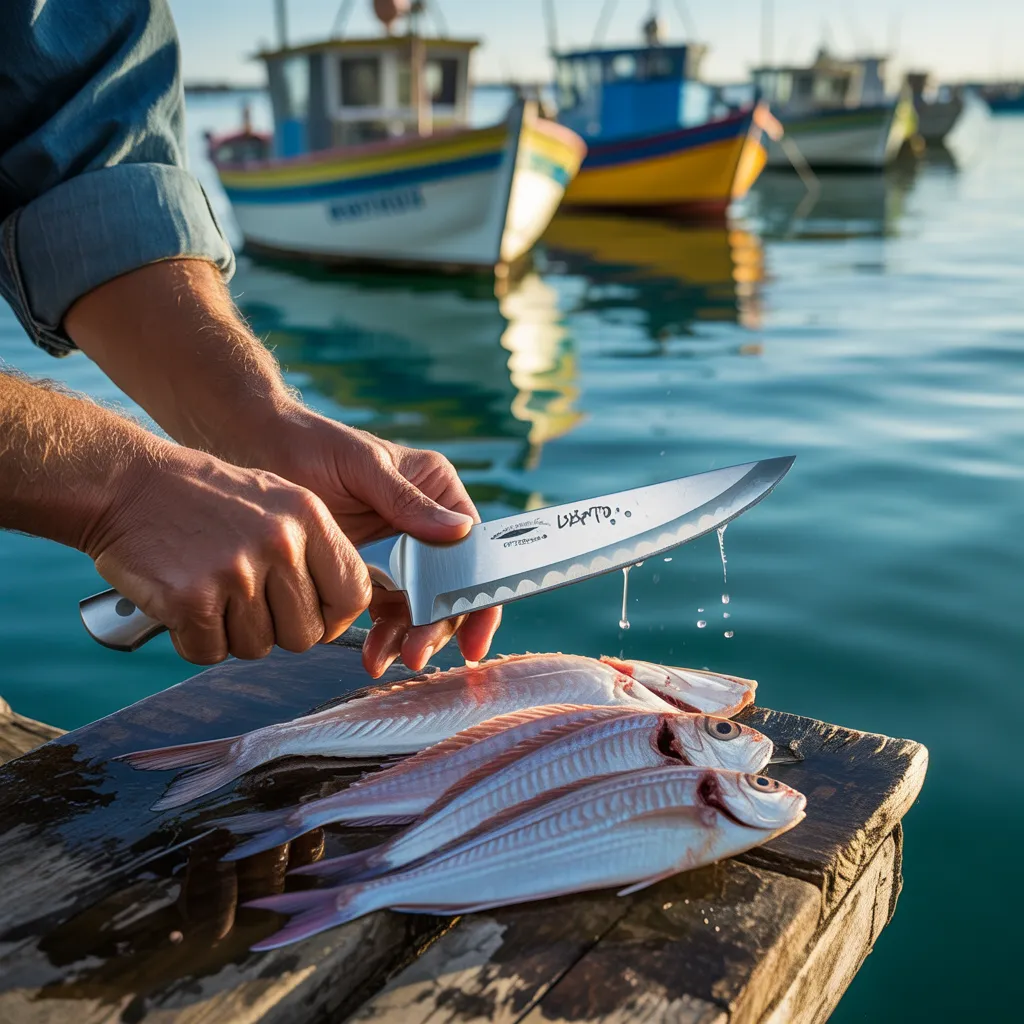
Blade Material Types
Determining the best blade material is essential for maximizing a filleting knife's in-depth guide efficiency. Widely used materials include stainless steel, carbon steel, and ceramic, each providing distinct advantages. Stainless steel is well-liked for its anti-corrosive nature and ease of care, making it fitting for both freshwater and saltwater environments. Carbon steel, while demanding greater care to ward off rust, is renowned for its sharp edge and durability of edge, which is vital for precise filleting. Ceramic blades, although infrequent, exhibit exceptional sharpness and hardness but can be prone to breaking, making them less ideal for tougher fish. Ultimately, the determination of blade material impacts durability, maintenance, and the general efficiency of filleting, shaping the user's experience markedly.
Regulate Comfort Tiers
While blade material considerably influences a filleting knife's effectiveness, the handle's ease cannot be ignored. The selection of handle material directly impacts user experience during prolonged filleting sessions. Ergonomic designs promote a firm grip, lowering fatigue and boosting precision. Common materials feature wood, plastic, and rubber.
Wood provides a timeless quality but may suffer from reduced traction when wet. Plastic is featherweight and simple to clean, but it may not deliver the same tactile feedback. Rubber, conversely, excels at delivering a non-slip grip, essential for managing slippery fish. Ultimately, a comfortable handle facilitates enhanced command, making it a vital aspect in picking the right filleting knife for both amateur and professional fishers.
Corrosion Resistance Factors
Corrosion resistance constitutes an essential consideration that profoundly influences the functionality and lifespan of a fish filleting knife. Knives fabricated from stainless steel, for example, exhibit excellent protection to rust and corrosion, making them well-suited for regular application in wet environments. High-carbon steel, while sharper and easier to sharpen, tends to be more prone to corrosion and demands routine maintenance. Moreover, coatings including titanium or ceramic can enhance corrosion protection, offering a safeguarding layer against moisture and acids contained in fish. Users must consider their specific requirements and maintenance preferences when determining materials, as the choice between durability and convenient care can substantially affect the knife's overall effectiveness and lifespan.
Why Knife Flexibility Matters for Filleting Fish
A supple blade is essential for efficient fish filleting, as it allows for accurate movements along the curves of the fish. This adaptability allows the knife to glide smoothly between the skin and flesh, guaranteeing clean, even cuts. A blade with the right amount of flexibility gives the user with better control, allowing for intricate maneuvers around bones and fins without damaging the meat. Different fish species require varying degrees of flexibility; for example, delicate fish like sole benefit from a more pliable blade, while sturdier fish may require a stiffer option. Additionally, the flexibility of the blade can minimize the risk of shredding or tearing the flesh, which is vital for presentation and quality. Ultimately, selecting a knife with appropriate blade flexibility can greatly enhance the efficiency and effectiveness of the filleting process, resulting in superior fillets and a more enjoyable experience for the user.
Selecting the Best Handle Style for Comfort and Control
When picking a fish filleting knife, the grip design greatly influences both comfort and control. Properly designed ergonomic handles can improve your grip and reduce fatigue, while the material choice affects how securely the user can grip the knife. Understanding these factors is vital for achieving peak performance during filleting tasks.
Ergonomic Handle Shapes
Choosing an suitable comfort-focused handle design is vital for achieving ease and precision while filleting fish. A properly crafted handle can greatly reduce hand fatigue during extended periods of use. Curved or contoured shapes often offer a natural grip, allowing for better maneuverability and precision. Some handles feature finger grooves or textured surfaces, improving grip stability, which is critical when handling slippery fish. Additionally, the size of the handle should match the user's hand for best control; a handle that is too large or too small can hinder performance. Ultimately, the best ergonomic handle shape will address individual preferences, ensuring a balance between comfort and functionality while filleting. This consideration plays a key role in the overall efficiency of the filleting process.
Material Influence on Grip
The selection of material for a fish filleting knife handle significantly affects grip and comfort. Substances such as wood, plastic, and rubber each provide distinct advantages. Wooden handles deliver a classic feel and can be comfortable to hold but may need more maintenance to prevent moisture absorption. Plastic handles are lightweight and often textured for improved grip, making them suitable for wet conditions. Rubber handles tend to shine in providing a non-slip surface, boosting safety during filleting tasks. Additionally, the finish of the handle material has a crucial role in user comfort; a smooth finish may feel pleasant initially but could become slippery when wet. Ultimately, choosing the right material can significantly affect the efficiency and enjoyment of the filleting process.
Recommended Filleting Knives for Every Budget
A well-picked filleting knife can boost the effectiveness and enjoyment of fish preparation. For budget-conscious buyers, the Rapala Fish'n Fillet Knife is an great choice. At about $20, it features a pliant blade that is suitable for a range of fish sizes.
Within the moderate price category, the Dexter-Russell Sani-Safe Fillet Knife, priced at around $50, supplies a balance of quality and durability, displaying a ergonomic grip and a reliable stainless steel knife edge.
At the higher end, the Wüsthof Classic Fillet Knife is recommended for serious enthusiasts. Costing approximately $150, this knife features a precision-forged blade and an comfortable handle, ensuring outstanding results and durability.
Each of these options caters to different budgets while preserving essential qualities for effective fish preparation, making them appropriate choices for both novices and seasoned anglers.
Maintenance Instructions for Sustaining Your Filleting Knife Remains in Great Condition
Purchasing a reliable filleting knife is only the start; correct maintenance is necessary to ensure top performance and longevity. It is crucial to clean it regularly; after every use, wash the blade with warm, soapy water and dry it immediately to avoid rust. Do not put the knife in a dishwasher because the hot temperatures and detergents can deteriorate the handle and blade.
Keeping your knife sharp through regular sharpening is essential for maintaining its edge. A sharpening stone or steel rod is useful for maintaining the blade sharp and increasing your filleting efficiency. Before each fishing trip, be certain to sharpen the knife to achieve peak performance.
The proper storing of the blade also enhances its useful life. A protective guard or roll can keep away accidental damage. Finally, regular monitoring for any signs of deterioration or damage can help address issues early, assuring the knife remains a solid tool for years to come.
Frequently Asked Questions
May I Apply a Filleting Knife to Different Types of Meats?
Certainly, a boning knife can be applied for additional types of meat, though its flexibility and thin blade may not be best. Chefs often prefer specialized knives for distinct varieties to guarantee peak performance.
When Should I Sharpen My Filleting Knife Regularly?
A fillet knife should be sharpened regularly, ideally after every few uses. This guarantees optimal performance and precision during filleting. Maintaining the edge prolongs the knife's lifespan and enhances the overall filleting experience.
Do Battery-powered Fillet Knives Warrant the Cost?
Electric filleting knives can be worth the investment for those who often cook fish, offering speed and efficiency. However, traditional knives may provide superior accuracy and command, catering to varying preferences among fishers and chefs.
What Is the Top Approach to Maintain My Filleting Knife?
The optimal way to keep a filleting knife is in a protective sheath or magnetic strip. This avoids blade harm and keeps it within reach. Additionally, a designated drawer or knife block can assist in ensuring orderliness and safety.
May I Adjust My Filleting Knife's Grip to My Liking?
Yes, a fillet knife's haft can often be adjusted. Many suppliers extend possibilities for different textures and designs, facilitating operators to enhance comfort, control, and personal style while improving the complete filleting activity.